This article contains affiliate links. If you click through and make a purchase, I may earn a small commission at no extra cost to you. Full disclosure.
You have two very different paths to homeownership: buy an existing home from a current owner or buy a newly built home directly from a builder. Each has significant advantages and significant drawbacks.
Many first-time buyers do not fully consider both options. They start looking at existing homes because that is what real estate seems to be, and they miss out on new construction that might suit them better. Or they get seduced by the shiny appeal of new construction and overlook resale homes that would give them more house for the money.
This guide compares both paths honestly. By the end, you will know which is right for you and how to make the most of whichever you choose.
New Construction vs Resale: The Big Picture
Before we get into details, here is the fundamental tradeoff:
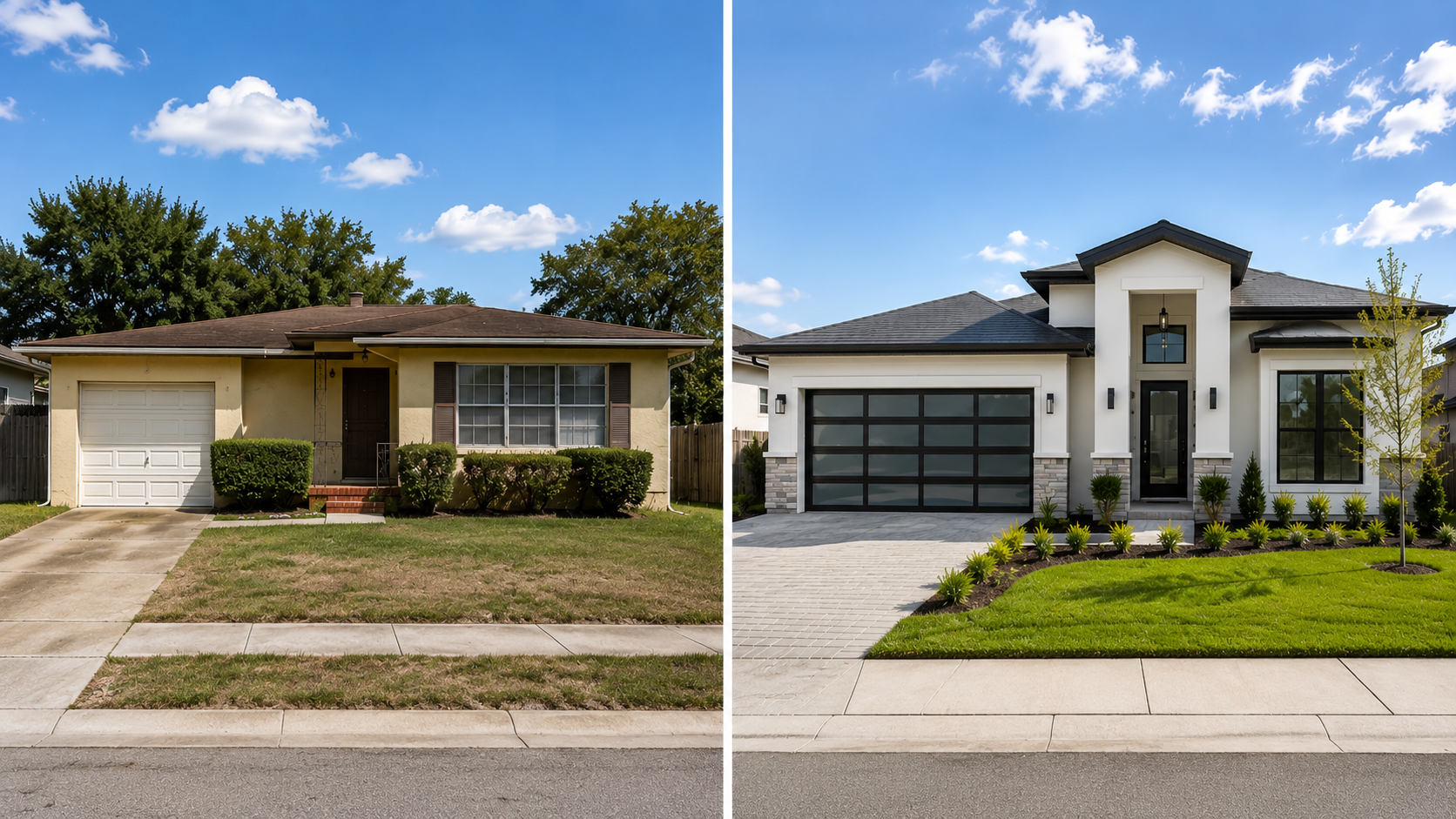
New Construction: Higher price per square foot, everything is brand new, customization options, builder warranties, but often smaller lots and less established neighborhoods.
Resale: Lower price per square foot, established neighborhoods with mature landscaping, existing infrastructure, but you inherit whatever repairs and updates the home needs.
Neither is universally better. The right choice depends on your priorities, budget, and life situation.
The Case for New Construction
New homes offer several genuine advantages that appeal to many first-time buyers.
Everything Is New
The roof, HVAC, plumbing, electrical, appliances, and finishes are all brand new. Major repairs are unlikely for the first 5 to 10 years. This predictability is valuable when you are stretching to afford your first home and cannot handle surprise expenses.
Builder Warranty Protection
New construction typically comes with a builder warranty that covers:
- Structural defects (usually 10 years)
- Systems (plumbing, electrical, HVAC) — typically 2 years
- Materials and workmanship — typically 1 year
This warranty is real financial protection. If the AC fails in year one, you call the builder, not a repair company.
The National Association of Home Builders provides consumer resources on new construction warranties and what buyers should expect.
Customization Opportunities
Depending on when you commit to the home, you may have options to select:
- Floor plans
- Finishes (flooring, countertops, cabinets)
- Appliance packages
- Room layouts
- Upgrades (extra bathroom, sunroom, etc.)
This lets you get exactly what you want rather than accepting what someone else chose.
Energy Efficiency
Modern building codes require significantly better insulation, windows, HVAC efficiency, and appliances than homes built even 15 years ago. Your utility bills will typically be much lower than in a comparable resale home.
No Repair Surprises
You will not open the wall to find asbestos, discover lead paint under new coats, or learn the previous owner covered up water damage. What you see is exactly what you get.
Modern Layouts
New homes reflect modern lifestyle preferences: open floor plans, larger kitchens, oversized primary bedrooms, better closet storage, and home office spaces.
The Case Against New Construction
The advantages come with real costs.
Higher Price Per Square Foot
New construction typically costs 10 to 30 percent more per square foot than comparable resale homes in the same area. You are paying a premium for newness.
Smaller Lots
Land is expensive. Builders maximize their profit by fitting more homes on less land. Expect small yards, close proximity to neighbors, and minimal outdoor space.
Less Established Neighborhoods
New construction communities take years to feel like real neighborhoods. Trees are small, community amenities may be under construction, and neighbors are constantly changing as more homes are sold.
Slower Move-In Timelines
If you buy a home under construction, expect delays. What was supposed to close in 6 months takes 9 months. What was supposed to close in 9 months takes 14 months. Have a plan for interim housing.
Additional Costs Add Up
Base prices are often deliberately deceptive. Adding the upgrades most buyers want (better flooring, better appliances, better fixtures, upgraded lot, etc.) can easily add 20 to 30 percent to the base price.
The Consumer Financial Protection Bureau has guidance on new construction contracts and what buyers should watch for during builder negotiations.
HOA Requirements
New construction communities almost always have HOAs with significant fees and rules. Landscaping requirements, exterior modifications, and even color choices may be controlled.
Limited Negotiation Power
Builders rarely reduce base prices because doing so affects the value of every home in the community. Instead, they negotiate on upgrades, closing costs, and incentives.
Want the complete picture?
My free First-Time Homebuyer Guide covers everything you need to know before buying your first home — credit prep, financing, common mistakes, and the step-by-step buying process.
The Case for Resale Homes
Resale homes have their own significant advantages.
Lower Price Per Square Foot
The same money buys more house in a resale. You can often get a larger home, a larger lot, or a better location for the same budget.
Established Neighborhoods
Mature landscaping, established communities, functioning amenities, and known neighbors create a sense of place that new construction takes years to develop.
Better Locations Available
The best locations in most cities are already built out. Resale is often your only option to buy in truly desirable areas.
Character and Charm
Older homes often have architectural details, materials, and craftsmanship you cannot buy in new construction at any reasonable price.
Larger Lots
Homes built 20+ years ago typically have significantly larger yards, more mature trees, and more space between neighbors.
Negotiation Power
Individual sellers have specific motivations and personal circumstances. There is often room to negotiate on price, terms, closing dates, repairs, and included items.
Known Quantities
You can see how the neighborhood has aged, how the HOA functions, how the community has evolved. The unknowns are more manageable.
The Case Against Resale Homes
Resale homes come with genuine risks.
Unknown Repair Timeline
The roof, HVAC, water heater, and appliances all have lifespans. You inherit whatever percentage of that lifespan the previous owner used up. Major systems may need replacement in years 1 to 5 of ownership.
Some buyers of resale homes offset this uncertainty with a home warranty. Choice Home Warranty offers plans covering major systems and appliances for around $50/month. Get a free quote to see coverage costs.
Hidden Issues
The inspection will find many problems but not all. Water damage behind walls, foundation movement that has stabilized but caused issues, previous DIY repairs done poorly, and other hidden issues may reveal themselves after closing.
Update Costs Add Up
That kitchen that “just needs a refresh” costs $30,000 to $60,000 to actually update. The bathrooms cost $15,000 each. New flooring throughout costs $10,000 to $20,000. Cosmetic updates add up fast.
Less Energy Efficient
Older homes typically have older windows, less insulation, and older HVAC systems. Utility bills can be 30 to 50 percent higher than comparable new construction.
Systems Near End of Life
If you are buying a 25-year-old home, you may be inheriting an HVAC system with 5 years left, a roof with 5 years left, and a water heater on borrowed time. Budget for these near-term expenses.
How to Decide Between the Two
The right choice depends on your priorities. Here is a framework for deciding.
Choose New Construction If:
- You want predictable ownership costs for the first several years
- You cannot afford surprise repair expenses on top of the mortgage
- You value modern layouts and energy efficiency
- You are willing to sacrifice location and lot size for newness
- You want to customize finishes
- You are comfortable with an HOA structure
Choose Resale If:
- You want maximum house or lot for your budget
- Location is your primary priority
- You appreciate established neighborhoods with character
- You have some savings for repairs and updates
- You can handle the uncertainty of what needs work first
- You want negotiation flexibility
How to Negotiate With Builders
Builder negotiations work differently than negotiations with individual sellers.
Builders Rarely Reduce Base Price
Every home in the community is priced based on the base prices. Reducing your base price means every other buyer’s investment loses value. Builders resist this strongly.
Builders Will Negotiate Incentives
Instead of price, negotiate:
- Free upgrades (better appliances, better finishes, better lot)
- Closing cost credits (thousands of dollars saved at closing)
- Interest rate buy-downs through the builder’s preferred lender
- Home warranty extensions
- Included features (window treatments, appliance packages)
End of Quarter Deals
Builders push hard at the end of each quarter to hit sales targets. Contracts signed in the last two weeks of March, June, September, or December often come with the best incentives.
Last Homes in a Community
The last few homes in a community are often negotiable. Builders want to close out the community and move to the next project.
Model Homes for Sale
When builders sell their model homes, they usually include all upgrades and furniture. These can be excellent values.
Special Considerations in Florida
Florida has some specific new construction dynamics.
Massive New Construction Supply
Central Florida especially has an enormous new construction market. This creates buyer leverage as builders compete for buyers.
Impact-Rated Features
New construction in Florida typically includes hurricane-rated windows and doors, hurricane straps, and other features that reduce insurance costs significantly.
HOA Structures
Florida HOA communities can be excellent (well-run, amenity-rich) or terrible (financial troubles, restrictive rules). Investigate carefully before committing.
Property Tax Impact
Property taxes on new construction are based on the sale price. Property taxes on resale homes may be based on lower assessed values from previous owners. Factor this into total cost of ownership.
CDD Fees
Community Development District fees are common in Florida new construction. These are additional annual costs on top of property taxes and HOA fees. They can add $1,000 to $3,000 per year to your costs for 20+ years.
New Construction vs Resale: The Bottom Line
New construction offers predictability, warranty protection, and modern features at a premium price and typically with location and space compromises.
Resale offers more house for the money, established neighborhoods, and negotiation flexibility with the tradeoff of unknown repair timelines and hidden issue risk.
Look at both. Get pre-approved for both. Understand the true total cost of ownership for both options (including HOA fees, CDD fees, insurance implications, and expected repair timelines).
The best choice is the one that fits your priorities, budget, and life situation. That answer is different for every buyer.
Before you start seriously shopping for either type of home, make sure your financing is solid. Use our free Mortgage Pre-Approval Readiness Calculator to assess your position.
Get Your Free First-Time Homebuyer Guide
A practical 13-page guide covering everything you need to know before buying your first home. No fluff, just useful information from a licensed Florida real estate agent.
Leave a Reply