This article contains affiliate links. If you click through and make a purchase, I may earn a small commission at no extra cost to you. Full disclosure.
A home inspection is the single most important step between you and a serious financial mistake. It costs $300 to $600 depending on the property. It takes 2 to 4 hours. And it can reveal problems that would cost you $20,000 to $50,000 or more to fix after you close.
Yet many first-time buyers do not fully understand what a home inspection covers, what to expect during the process, or how to actually use the report to protect themselves.
This guide covers everything you need to know: what an inspector will and will not check, the red flags that should stop your purchase entirely, how to negotiate repairs based on findings, and when you should walk away from a deal.
Why Home Inspections Matter More Than Ever
The average home in America is over 40 years old. Even newer homes come with issues that are not visible during a casual walkthrough. A home might look beautiful on paper and during your first visit, then reveal a failing HVAC system, active roof leaks, foundation issues, or major electrical problems only after a professional inspector spends several hours examining every accessible part of it.
The purchase price of a home is only the beginning of what you will spend. What you find during the inspection determines whether you will spend an additional $5,000, $50,000, or $150,000 in the first few years just fixing what was already broken when you bought it.
Skipping the inspection to make your offer more competitive is one of the most expensive mistakes first-time buyers can make.
What a Standard Home Inspection Actually Covers
The American Society of Home Inspectors provides certification for professional inspectors and standards for what a proper home inspection should include.
A licensed home inspector examines every accessible major system and structural component of the home. Standard inspections typically cover:
Structural Components
The inspector evaluates the foundation for cracks, settling, or water damage. They check the framing where visible, look at the walls and ceilings for signs of structural movement, and examine the basement or crawlspace for issues.
Roofing
Inspectors climb onto the roof when safe to do so and check the condition of shingles, flashing, gutters, and chimney. They estimate the remaining lifespan and identify any active leaks or areas of concern.
Electrical System
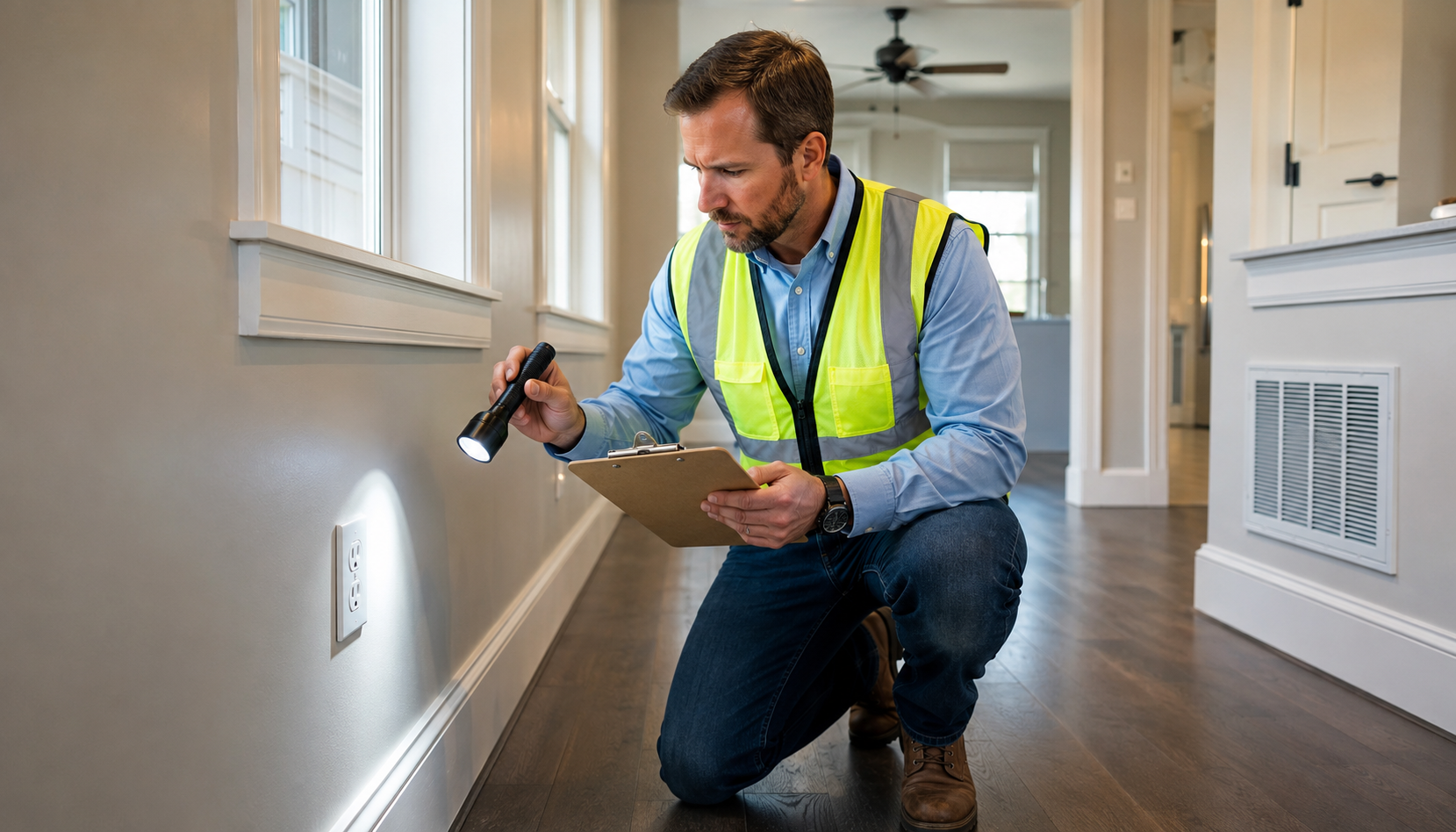
The main service panel is examined for age, capacity, safety issues, and code compliance. Inspectors check outlets, switches, and visible wiring throughout the house for proper installation and safety.
Plumbing
Water pressure is tested at multiple fixtures. Pipes are examined for leaks, corrosion, or improper materials. Water heaters are inspected for age, condition, and installation compliance. Drainage systems are checked where accessible.
HVAC (Heating, Ventilation, Air Conditioning)
The furnace or heating system is tested for proper operation. Air conditioning units are inspected and tested when weather allows. Ductwork is examined where visible. The inspector estimates remaining lifespan of major HVAC components.
Interior
Walls, ceilings, floors, doors, and windows are examined for damage, water stains, or improper installation. Stairs and railings are checked for safety.
Exterior
Siding, trim, and paint condition are examined. Grading around the home is checked (proper drainage away from the foundation is critical). Decks, porches, and steps are inspected for safety and structural integrity.
Attic and Crawlspace
The inspector goes into these spaces when accessible. Insulation levels are checked. Signs of pest activity, moisture, or ventilation problems are documented.
Appliances
Built-in appliances like ovens, dishwashers, and garbage disposals are tested. Note that the inspector confirms they turn on but does not perform detailed diagnostics.
What Home Inspections Do NOT Cover
Understanding the limitations of a standard inspection is just as important as knowing what is covered. A standard home inspection typically does not include:
- Mold testing (visual signs are noted, but lab testing costs extra)
- Radon testing (separate specialist required)
- Pest and termite inspection (separate specialist required)
- Septic system inspection (separate specialist required)
- Well water testing (separate specialist required)
- Chimney interior inspection (chimney sweep specialist required)
- Sewer line camera scope (separate specialist required)
- Pool and spa detailed inspection (specialist recommended)
- Anything inside walls or under floors (only what is visible)
- Cosmetic issues (they are noted but not detailed)
For most homes, especially older ones or those with specific features, you should budget for additional specialist inspections beyond the standard general inspection.
Want the complete picture?
My free First-Time Homebuyer Guide covers everything you need to know before buying your first home — credit prep, financing, common mistakes, and the step-by-step buying process.
Red Flags That Should Stop a Purchase
Not every inspection finding is a deal breaker. Most homes have some issues. But certain findings are so serious that walking away is often the right choice.
Foundation Problems
Major foundation issues, including significant cracks wider than a quarter inch, evidence of ongoing settlement, or visible shifting can cost $20,000 to $100,000 or more to repair. Some foundation problems cannot be fully corrected.
Active Water Damage or Mold
Visible mold, active leaks, water staining, or musty odors indicate ongoing moisture problems. Mold remediation can cost $5,000 to $30,000 depending on scope. Undetected water damage often leads to structural problems.
Failing Roof
A roof at the end of its lifespan means you will spend $10,000 to $30,000 within the first few years of ownership. If the current roof has active leaks or significant damage, factor this cost into your offer or ask the seller to replace it before closing.
Major Electrical Problems
Aluminum wiring, knob-and-tube wiring (in older homes), overloaded panels, or DIY electrical work throughout the house creates fire risks and can cause insurance issues. Complete electrical rewiring can cost $8,000 to $20,000.
Failing HVAC System
Furnaces and air conditioners typically last 15 to 20 years. Systems near end of life will need replacement soon. In Florida specifically, HVAC replacement costs $5,000 to $12,000. Factor this into your budget or negotiate accordingly.
Termite Damage or Active Infestation
Termites can cause thousands of dollars in structural damage. Active infestations require immediate professional treatment and may indicate hidden damage that has not been fully assessed.
Foundation Water Intrusion
Signs that water is getting into the foundation or basement, including staining, efflorescence (white mineral deposits), or standing water indicate serious drainage or grading problems that are expensive to correct.
How to Negotiate Based on Home Inspection Findings
Once you receive the inspection report, you have several options depending on what was found and the market conditions.
Option 1: Ask for Repairs Before Closing
For significant issues, ask the seller to complete repairs before closing. This works best for safety issues (electrical, roof leaks) and code violations. Have repairs verified with a re-inspection.
Option 2: Request a Price Reduction
Instead of asking for repairs, request a reduction in the sale price equal to the cost of repairs. This gives you cash to do repairs your own way after closing with contractors you choose.
Option 3: Request Seller Credit at Closing
The seller keeps the sale price but credits you money at closing to use toward repairs. This can help preserve your loan-to-value ratio for financing purposes.
Option 4: Combination
For homes with multiple issues, negotiate a combination of the above. For example, the seller repairs the roof and gives you a $5,000 credit for the HVAC that is near end of life.
Option 5: Walk Away
If findings are severe enough, if the seller refuses to negotiate meaningfully, or if the costs of correction exceed what you are prepared to handle, use your inspection contingency to cancel the contract and get your earnest money back.
Consider a Home Warranty for What You Cannot See
Even a thorough inspection cannot predict when systems and appliances will fail. The HVAC unit may pass inspection today and fail in 8 months. The water heater may test fine and leak next year. A home warranty covers these unexpected failures for a fixed monthly cost.
Choice Home Warranty offers plans that cover major appliances, HVAC, plumbing, and electrical systems for around $50/month. Get a free quote to see what coverage might cost for your specific home.
Some buyers negotiate for the seller to provide a home warranty at closing (typically costs the seller $400 to $600). This gives you peace of mind for the first year of ownership while you learn the home’s systems.
Understanding Your Inspection Contingency
Most purchase contracts include an inspection contingency that gives you a set window (typically 7 to 15 days) to have the inspection completed, review findings, and decide how to proceed.
During this window, you can:
- Accept the home as-is
- Negotiate for repairs, credits, or price reductions
- Cancel the contract and get your earnest money back if the seller will not negotiate reasonable requests
Never waive your inspection contingency to make your offer more competitive. If you must be flexible to compete in a hot market, consider a shorter inspection period (5 to 7 days instead of 10 to 14) rather than eliminating it entirely.
Getting the Most Value From Your Inspection
The value of the inspection depends heavily on how you use it. Here is how to maximize what you get:
Attend the Inspection
Being physically present during the inspection is invaluable. You can ask questions, understand the severity of findings in context, and learn about the home in ways a written report cannot convey.
Ask Questions
Inspectors are typically happy to explain their findings. Ask about severity, likely repair costs, whether an issue is normal wear versus a red flag, and what maintenance the home will need in the coming years.
Read the Full Report
Inspection reports can be 40 to 80 pages long. Read every page, not just the summary. Photos of specific issues can help you understand exactly what is wrong.
Get Repair Estimates
Before negotiating with the seller, get actual repair estimates from licensed contractors for major issues. This gives you concrete numbers for negotiations instead of general estimates.
Consider Additional Specialists
For older homes, plan on the specialist inspections mentioned earlier (pest, radon, sewer line, mold, etc.). The cost of these additional inspections is minor compared to the cost of discovering major problems after closing.
Special Considerations for Florida Homes
InterNACHI, the International Association of Certified Home Inspectors, maintains directories of certified inspectors specializing in Florida homes.
Florida homes have some specific inspection concerns that inspectors in other states may not emphasize as strongly.
Roof Age Matters More Here
Florida insurance companies increasingly refuse to write policies on roofs older than 15 to 20 years. During inspection, get a clear estimate of the roof’s remaining lifespan and factor insurance implications into your decision.
Hurricane Straps and Impact Windows
These features affect insurance premiums significantly. A home with proper hurricane bracing and impact windows can save $1,000 to $3,000 per year in insurance costs.
Sinkhole Risk
Some areas of Florida are more prone to sinkhole activity. Ask about sinkhole insurance coverage and whether a sinkhole inspection is recommended for your specific location.
Air Conditioning is Critical
Florida HVAC systems work harder than in most other states. Pay close attention to HVAC age, condition, and remaining lifespan. A failing AC system in Florida is not just uncomfortable, it is a serious problem.
Water Intrusion and Mold
Florida’s humidity and rainfall create ideal conditions for mold. Any signs of water intrusion, past water damage, or moisture in walls should be thoroughly investigated.
When to Consider Walking Away Entirely
Sometimes the inspection reveals so many issues that the smart choice is to move on. Consider walking away when:
- The seller refuses to negotiate on major safety or structural issues
- Combined repair costs exceed 10 to 15 percent of the purchase price
- Foundation issues cannot be fully corrected
- Multiple systems are all near end of life simultaneously
- The home has evidence of poor previous maintenance across multiple areas
- You would need to invest more capital than you have available to make it habitable
There is always another house. Do not let emotion push you into a bad financial decision.
The Bottom Line
The $300 to $600 you spend on a home inspection is the best money you will spend in the entire home buying process. It is your only opportunity to know exactly what you are buying before you own it.
Do not skip the inspection. Do not waive the contingency. Attend the inspection yourself. Ask questions. Get specialist inspections for anything the general inspection cannot fully assess. And be prepared to walk away if the findings warrant it.
A home purchase should never be a financial disaster waiting to happen. A thorough inspection is how you avoid that outcome.
Before you start seriously shopping for homes, use our free Mortgage Pre-Approval Readiness Calculator to make sure your financing situation is solid. Then when you find the right home, invest in a thorough inspection to make sure it is actually the right home.
Get Your Free First-Time Homebuyer Guide
A practical 13-page guide covering everything you need to know before buying your first home. No fluff, just useful information from a licensed Florida real estate agent.
Leave a Reply