
This article contains affiliate links. If you click through and make a purchase, I may earn a small commission at no extra cost to you. Full disclosure.
This is part of our Greater Orlando Pulse series, covering the cities and towns that make up Greater Orlando. Also in this series: Kissimmee · Davenport · Clermont
Orlando topped Redfin's Q1 2026 list of metros attracting relocating homebuyers, with a net inflow of nearly 7,000 prospective buyers. The top origin city was New York. People are coming for the combination of no state income tax, a job market anchored by tourism, healthcare, defense, and a growing tech corridor, and a cost of living that is still lower than most major metros on the East Coast.
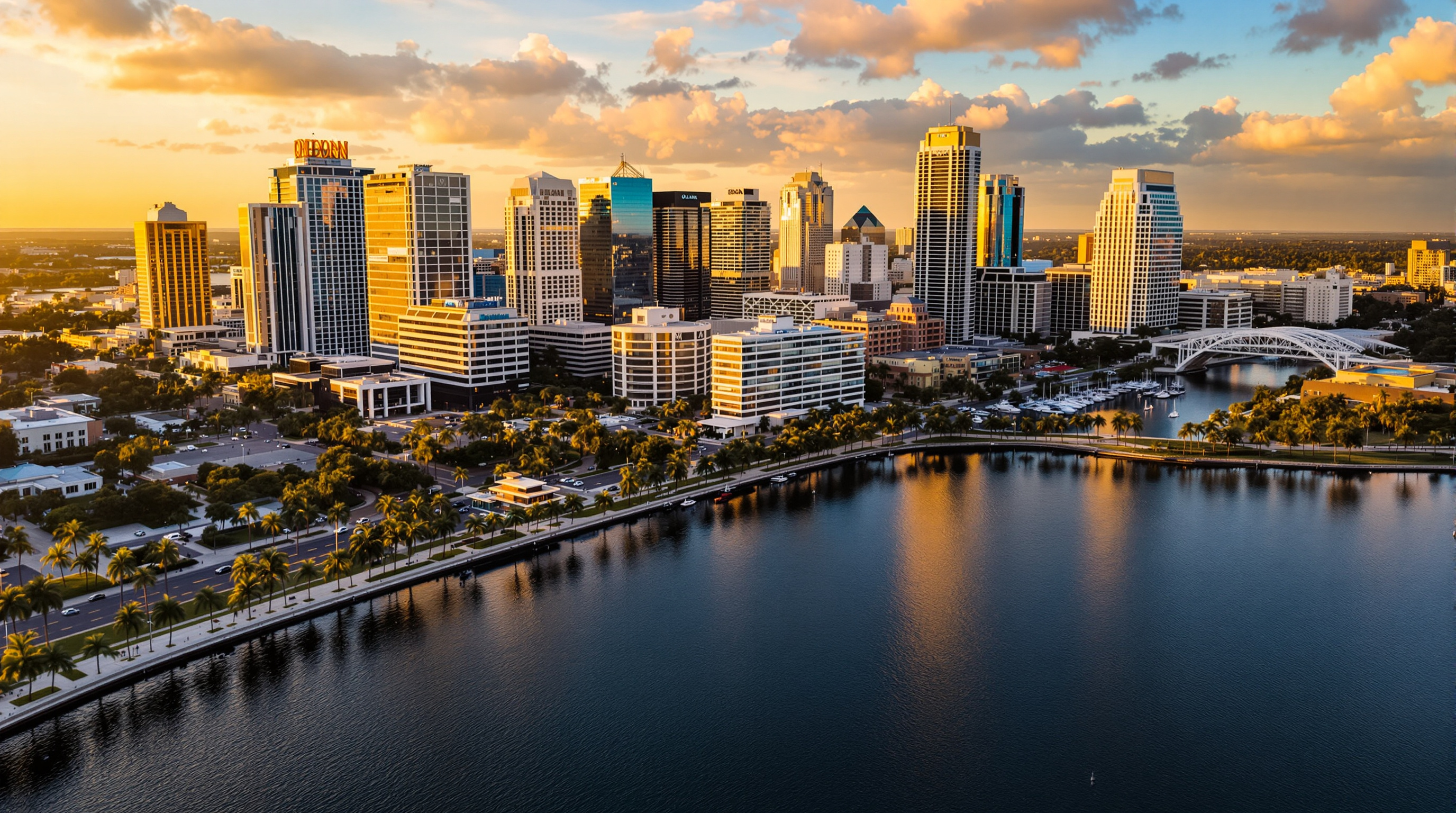
But Orlando is more than theme parks. Buyers who look past the tourist corridors find established neighborhoods with tree-lined streets, strong schools, lakes everywhere, and a downtown that has grown into a real city over the past decade. Here is what you need to know if you are considering a move.
What Homes Cost
The median single family home price in the Orlando metro area was approximately $416,000 to $452,000 in mid-2026, according to market reports based on Orlando Regional REALTOR Association data. That is roughly half of what comparable homes cost in the New York or Los Angeles metros, which is the main reason out-of-state buyers keep coming.
Prices vary significantly by neighborhood. Established areas like Winter Park, College Park, and Baldwin Park often run $500,000 to $800,000 or more for a single family home. Lake Nona, a master-planned community on Orlando's southeast side, has become one of the fastest-growing areas in the metro, with new homes typically starting in the mid-$400,000s and going well above $600,000.
More affordable options exist on the east and south sides of the metro. Homes in neighborhoods around Avalon Park, Waterford Lakes, and parts of East Orlando can be found in the $350,000 to $450,000 range. New construction communities continue to pop up along the 417 corridor and in unincorporated Orange County.
The market has shifted in favor of buyers compared to a year ago. Homes sit on the market longer, price cuts are more common, and sellers are offering concessions toward closing costs. That said, well-priced homes in desirable neighborhoods still move quickly. Use our How Much House Can I Afford Calculator to see what price range fits your income before you start searching.
Getting Around
Orlando is a car city. I-4 runs east-west through the center of the metro and connects downtown to the theme park corridor and Tampa. The 408 (East-West Expressway) crosses downtown, the 417 (Central Florida GreeneWay) loops around the east and south side, and the 429 (Western Beltway) serves the west side. Rush hour on I-4 is notoriously congested, so your commute route matters when choosing a neighborhood.
SunRail, a commuter rail line, runs from DeBary in Volusia County south through downtown Orlando to Poinciana in Osceola County. It is useful if you work near one of its stations but does not cover most suburban neighborhoods. Orlando International Airport is one of the busiest in the country, which is a plus if you travel frequently or have family visiting from out of state.
Things to Discover
Once the novelty of living near Disney and Universal fades, residents discover the Orlando that tourists never see.
Downtown Orlando and Lake Eola Park are the heart of the city. The weekly farmer's market at Lake Eola draws thousands every Sunday, and the Dr. Phillips Center for the Performing Arts hosts national touring shows. Mills 50, Orlando's Vietnamese district along Mills Avenue, has become one of the most popular dining destinations in the city, with pho shops, banh mi spots, and craft cocktail bars side by side.
Winter Park, just north of downtown, feels like a separate small town. Park Avenue is lined with independent boutiques, galleries, and restaurants. The Charles Hosmer Morse Museum of American Art houses the world's most comprehensive collection of Louis Comfort Tiffany art and offers free admission on Friday evenings from November through April. The scenic boat tour through Winter Park's chain of lakes has been running since 1938.
ICON Park on International Drive includes the Orlando Eye observation wheel, the SEA LIFE Aquarium, and Madame Tussauds. Blue Man Group opened a new resident production there in 2026.
Orlando's outdoor scene is stronger than most people expect. Wekiwa Springs State Park offers crystal-clear spring-fed swimming and kayak runs through natural Florida. The West Orange Trail runs 22 miles from Apopka through Winter Garden, perfect for cycling. Tibet-Butler Nature Preserve and Split Oak Forest provide quiet hiking within the metro area.
For families, the Orlando Science Center and the Central Florida Zoo are popular weekend destinations. The Dr. Phillips Center runs a family series with kid-friendly performances year-round.
Theme Parks and Beaches
Orlando is the theme park capital of the world. Walt Disney World, Universal Orlando Resort, and SeaWorld are all within the metro area. Universal Epic Universe, the newest major park, opened in May 2025 near the Orange County Convention Center and is about 15 to 20 minutes from most Orlando neighborhoods. LEGOLAND Florida Resort in Winter Haven is about 45 minutes southwest.
The nearest ocean beaches are about an hour east. Cocoa Beach and New Smyrna Beach are both roughly 60 to 70 miles from downtown Orlando, about an hour to an hour and fifteen minutes by car via the 528 or I-4 to I-95. Clearwater Beach on the Gulf Coast is about an hour and 45 minutes west via I-4 and I-275.
Schools and Families
Orange County Public Schools is the eighth-largest school district in the country. The district includes several high-performing magnet and choice programs. Buyers with school-age children should research specific school zones carefully, because quality varies by location within the district. Private school options include several well-regarded independent schools across the metro.
No State Income Tax
Florida has no personal income tax. If you are relocating from a state like New York, New Jersey, Connecticut, or California, the tax savings alone can be significant. On a household income of $150,000, the difference could be $7,000 to $12,000 per year depending on the state you are leaving. That savings goes a long way toward affording a home here.
What to Watch Out For
Homeowners insurance in Florida is among the most expensive in the country. Budget $3,000 to $6,000 per year or more depending on the home's age, location, and proximity to the coast. Flood insurance may be required on top of that if the home is in a flood zone. Read our guide to Florida homeowners insurance in 2026 before you budget.
Property taxes are moderate compared to the Northeast, but they add up. The Florida homestead exemption reduces your taxable value by approximately $51,411 for 2026, but you must apply by March 1 of the year after you purchase.
Summer heat and humidity are intense from June through September. Hurricane season runs June 1 to November 30. Neither stops people from moving here, but they are part of the reality of living in Central Florida.
If you are considering relocating, start by checking whether your finances are ready for a Florida mortgage. Use our free Mortgage Pre-Approval Readiness Calculator to find out where you stand before you start house hunting.
This article is for informational purposes only. Home prices, tax figures, and market conditions change frequently. Verify current data with a licensed real estate professional and your county property appraiser before making financial decisions.